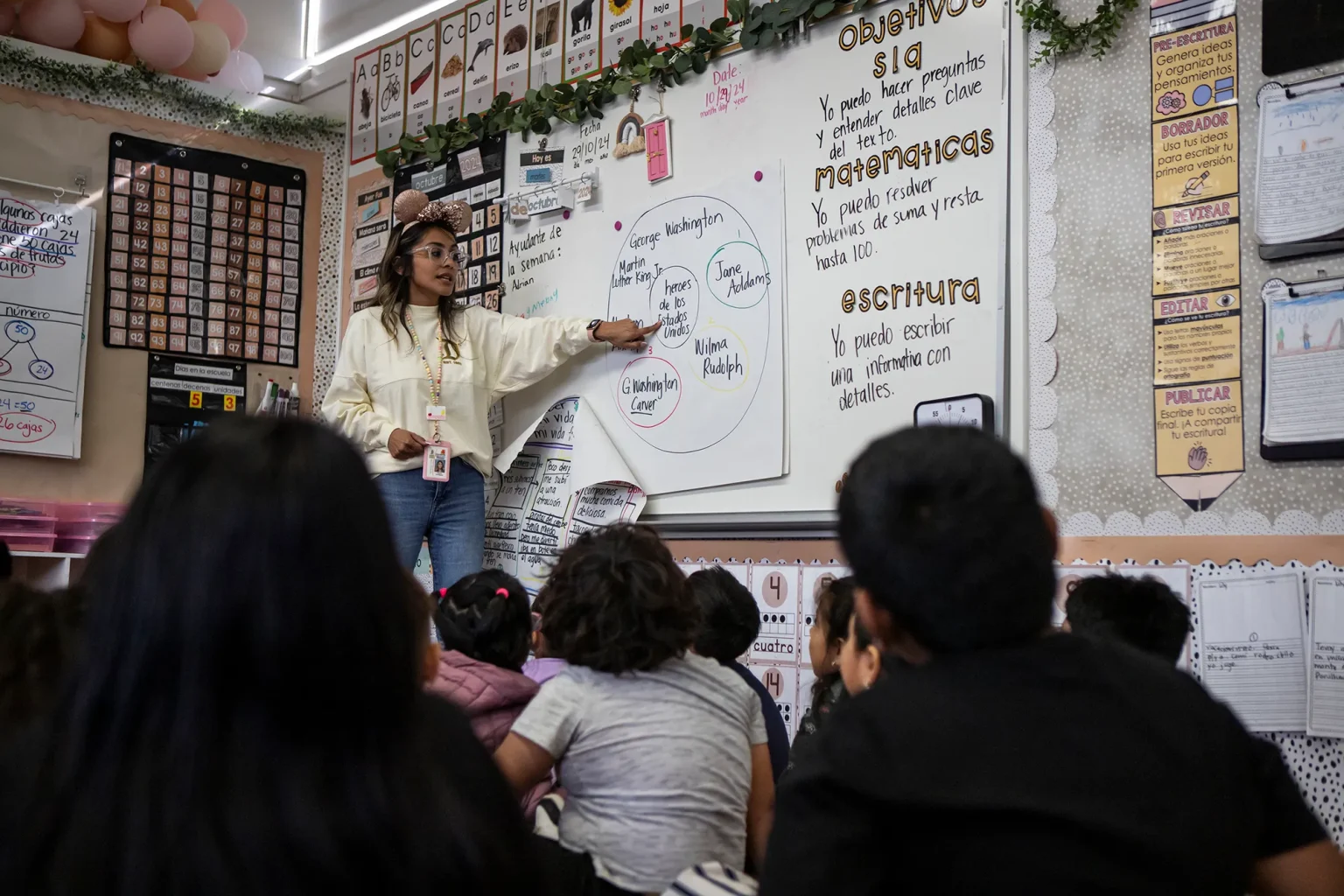
Spain is witnessing a significant shift in its educational landscape as schools across the country are expanding bilingual education programs. This initiative aims to equip students with strong language skills, enhance global competitiveness, and respond to growing demand from parents and international employers for multilingual graduates.
Nationwide Expansion of Bilingual Programs
Over the past decade, bilingual education in Spain has grown steadily, but recent government policies and regional initiatives have accelerated the expansion. Schools in major cities such as Madrid, Barcelona, Valencia, and Seville are introducing comprehensive programs in Spanish-English bilingual instruction, while regional languages like Catalan, Basque, and Galician are often integrated alongside English.
Key elements of the programs include:
- Increased English instruction hours across all grade levels, often covering core subjects such as science, mathematics, and social studies.
- Immersive teaching methodologies, including project-based learning, interactive classrooms, and technology-enhanced lessons.
- Teacher training and certification, ensuring educators are qualified to deliver bilingual curricula effectively.
Government and Policy Support
The expansion of bilingual education is supported by both national and regional authorities. Policy measures include:
- Funding for curriculum development, teaching materials, and digital resources.
- Grants for teacher training, enabling Spanish educators to acquire advanced language and pedagogical skills.
- Incentives for private and charter schools to adopt bilingual programs and collaborate with international institutions.
The government emphasizes that bilingual education is a strategic priority to improve Spain’s global competitiveness and prepare students for careers in international business, science, and technology.
Impact on Students
Research indicates that bilingual students benefit academically, cognitively, and socially. Some key advantages include:
- Enhanced cognitive flexibility: Bilingual students demonstrate improved problem-solving skills and mental agility.
- Higher academic performance: Studies show that students in bilingual programs often achieve better results in standardized assessments.
- Greater career opportunities: Fluency in English and other foreign languages increases employability in international markets.
- Cultural awareness: Exposure to multiple languages fosters cross-cultural understanding and communication skills.
Regional and Urban Differences
While major urban centers lead in implementing bilingual programs, rural areas are increasingly catching up. Challenges such as recruiting qualified bilingual teachers and providing adequate resources remain, but government initiatives and partnerships with universities and international organizations are helping bridge the gap.
In regions with co-official languages such as Catalonia, the Basque Country, and Galicia, bilingual education programs often combine regional language instruction with English, allowing students to develop multilingual competencies from an early age.
Private and International School Participation
Private and international schools have played a critical role in accelerating bilingual education. Many institutions offer international curricula such as the IB (International Baccalaureate) or Cambridge programs, providing students with globally recognized qualifications. This trend has encouraged public schools to enhance their offerings to remain competitive.
Challenges and Considerations
Despite the positive momentum, several challenges persist:
- Teacher shortages: Recruiting and retaining qualified bilingual educators remains a hurdle, especially in rural areas.
- Consistency and quality control: Ensuring uniform standards across regions and schools is essential to maintain program effectiveness.
- Access and equity: Policymakers must ensure that bilingual education is accessible to all students, regardless of socioeconomic background.
Spain’s commitment to bilingual education is expected to continue, with plans to further integrate technology, enhance teacher training, and expand access in underrepresented regions. The combination of public investment, private school innovation, and international collaboration positions Spain as a leader in multilingual education in Europe.
By providing students with high-quality bilingual education, Spain is not only preparing the next generation for global opportunities but also fostering a more inclusive, competitive, and culturally aware society.