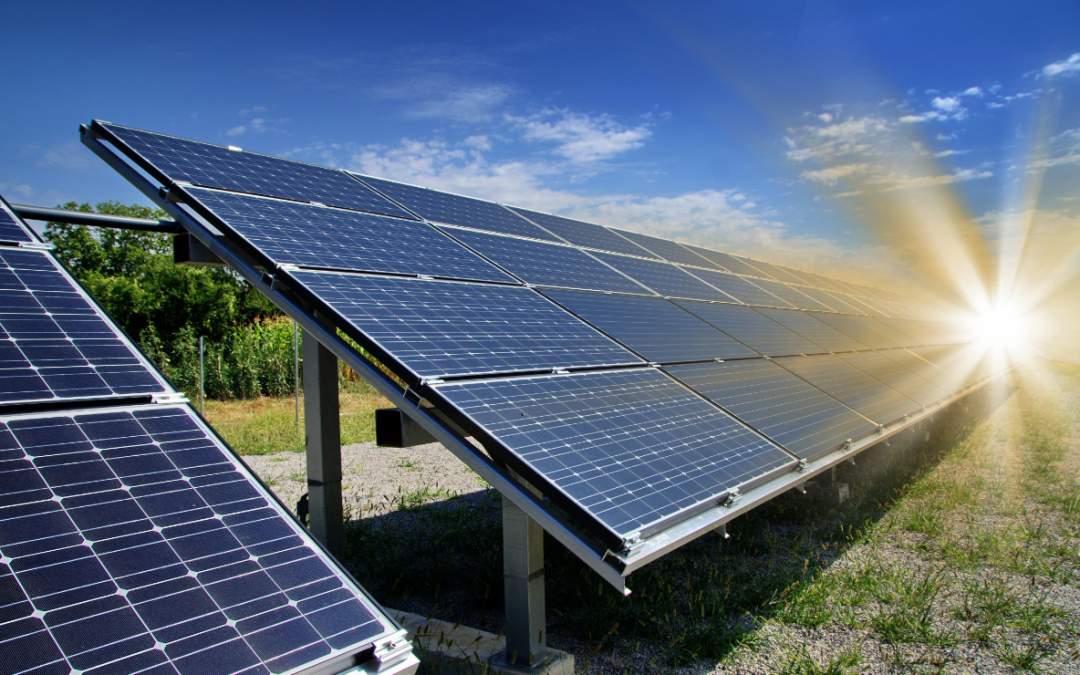
Spain is accelerating its transition toward renewable energy as part of a national strategy to achieve ambitious climate and sustainability targets by 2030. The country’s government, in collaboration with private sector partners and European Union initiatives, is implementing policies and programs to expand solar, wind, and other clean energy capacities, while reducing reliance on fossil fuels and cutting greenhouse gas emissions.
National Renewable Energy Objectives
Spain’s renewable energy strategy aligns with the European Green Deal and national climate targets:
- Increase the share of renewable energy in the electricity mix to 74% by 2030.
- Achieve net-zero carbon emissions by 2050, with a focus on intermediate milestones by 2030.
- Promote energy efficiency across industries, residential sectors, and transportation.
- Encourage green investments and innovation in clean technology sectors.
The strategy prioritizes not only energy generation but also sustainable infrastructure, storage, and grid modernization to support a reliable and resilient energy system.
Key Renewable Energy Initiatives
Spain is implementing a range of measures to expand renewable energy production and accelerate the energy transition:
- Solar Power Expansion: Large-scale solar farms and rooftop solar projects are being developed nationwide, supported by government incentives and private investments.
- Wind Energy Growth: Onshore and offshore wind projects are receiving funding, with Spain aiming to become a leader in offshore wind capacity in Southern Europe.
- Green Hydrogen Development: Investment in green hydrogen production is growing to provide low-carbon alternatives for industrial and transportation sectors.
- Energy Storage and Smart Grids: Battery storage systems and advanced grid management technologies are being deployed to improve energy reliability and integrate variable renewable sources.
Funding and Investment
The renewable energy strategy is backed by substantial public and private investment, including:
- European Union Recovery Funds: Financial support from the EU is fueling green projects, infrastructure upgrades, and research initiatives.
- Private Sector Capital: Utilities, energy companies, and venture funds are investing in renewable energy startups, technology development, and infrastructure.
- Incentives for Businesses and Consumers: Tax breaks, grants, and subsidies encourage companies and households to adopt renewable energy solutions.
Regional Focus
While Spain’s renewable strategy is national, several regions play a leading role:
- Andalusia and Extremadura: Solar-rich regions hosting large photovoltaic plants.
- Galicia and Castilla y León: Wind energy hubs with significant onshore capacity.
- Catalonia and Valencia: Innovation centers for green hydrogen, smart grids, and hybrid renewable systems.
This regional distribution ensures balanced economic growth, creates local jobs, and strengthens energy security across the country.
Economic and Environmental Impact
The renewable energy push is generating multiple benefits:
- Job Creation: Thousands of jobs in construction, engineering, and technology development are being created in the renewable sector.
- Reduced Carbon Emissions: Transitioning to clean energy sources significantly decreases greenhouse gas emissions and air pollution.
- Energy Independence: Increased domestic renewable energy production reduces Spain’s reliance on imported fossil fuels.
- Innovation and Competitiveness: Investment in new technologies, including hydrogen and battery storage, strengthens Spain’s position in the European energy market.
Challenges
Despite progress, challenges remain:
- Grid Integration: Managing intermittent renewable generation and ensuring grid stability requires continuous investment in infrastructure.
- Financing Large Projects: High upfront costs for large-scale renewable installations necessitate strong public-private partnerships.
- Regulatory and Permitting Hurdles: Streamlining approvals for renewable energy projects is critical to maintain momentum.
- Skilled Workforce: Training and retaining professionals with expertise in renewable technologies is essential to meet 2030 goals.
Spain is on track to meet its 2030 renewable energy targets, driven by strong policy frameworks, investment, and technological innovation. Continued collaboration between government, industry, and EU partners will be vital to ensure successful implementation, minimize environmental impacts, and maximize economic benefits.
By accelerating its renewable energy strategy, Spain is positioning itself as a leader in clean energy in Southern Europe, creating a sustainable and competitive economy while addressing global climate challenges.