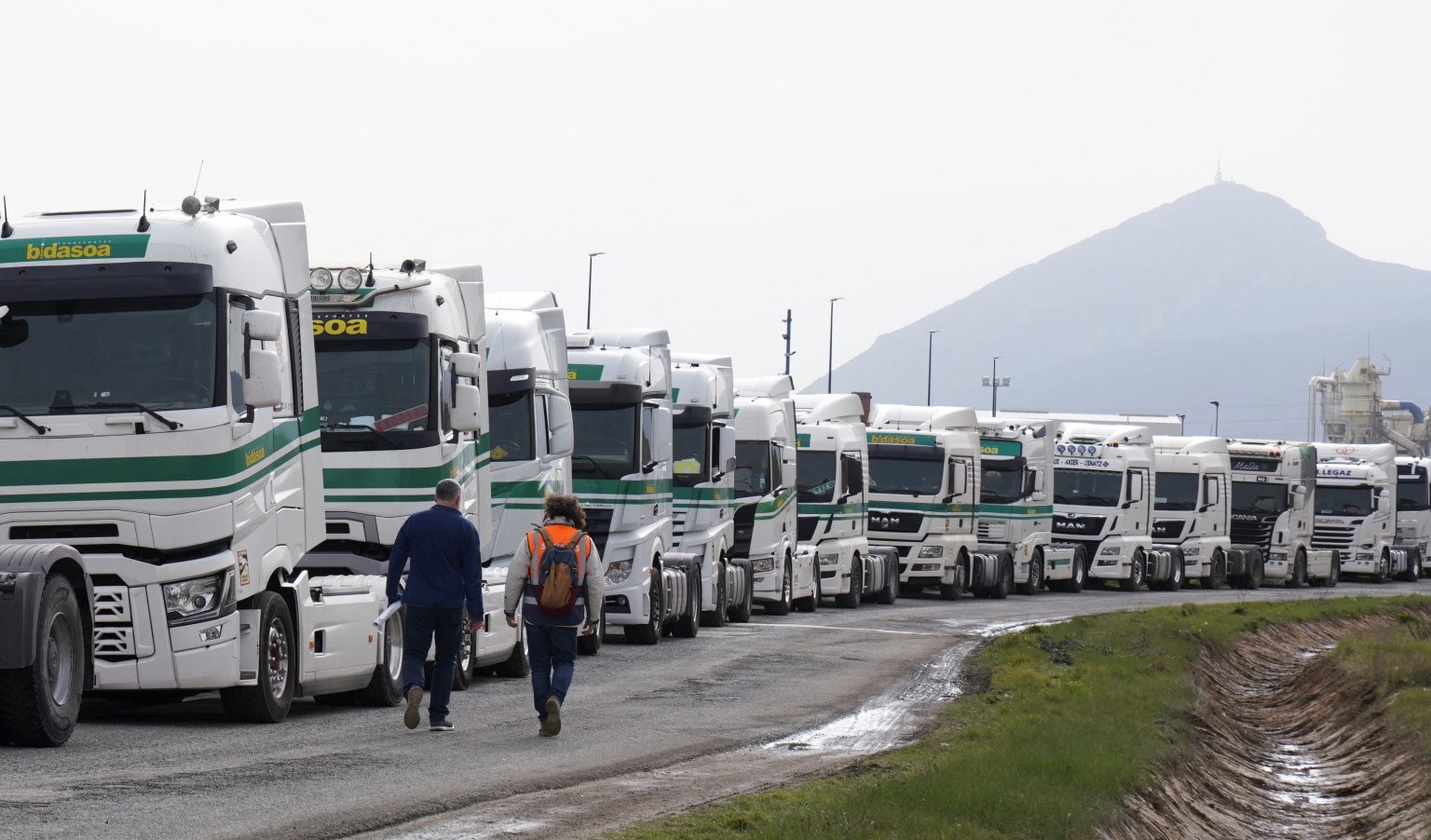
Spain is currently facing significant transportation disruptions as a major transport strike has brought services across the country to a standstill. The strike, organized by national transport unions, affects rail, bus, and metro services, impacting millions of commuters, travelers, and businesses.
Background of the Strike
The strike was called in response to ongoing disputes over wages, working conditions, and staffing shortages in the transport sector. Workers have been negotiating with government authorities and private operators for several months, citing increasing workloads, inflation-driven cost-of-living pressures, and insufficient safety measures.
- Key sectors affected include urban metro networks, regional and long-distance trains, intercity bus services, and freight transportation.
- Union demands focus on pay increases aligned with inflation, improved working conditions, and investment in transport infrastructure to reduce overwork and delays.
Nationwide Impact
The strike has caused widespread disruption across Spain:
- Urban centers such as Madrid, Barcelona, Valencia, and Seville are experiencing reduced metro and bus services, leaving commuters with limited options and longer travel times.
- Regional rail networks report partial cancellations and delays, affecting students, workers, and tourism-related travel.
- Freight and logistics operations have also been slowed, leading to delivery delays for goods and potential economic impacts for businesses relying on just-in-time supply chains.
Airports have not been directly impacted by the strike, but passengers relying on connecting ground transport services face delays and increased congestion.
Government and Operator Response
Spanish authorities have been actively negotiating with unions to reach a resolution:
- The Ministry of Transport has called for urgent talks to prevent the strike from extending further.
- Train and bus operators have implemented contingency plans, including deploying emergency staff, rerouting services, and providing alternative transportation options where possible.
- Public advisories urge commuters to plan ahead, work remotely where feasible, and check transport schedules before traveling.
Economic and Social Implications
The strike’s impact extends beyond immediate travel inconveniences:
- Economic costs are mounting as businesses face delays in employee commutes and logistics. Sectors such as retail, tourism, and manufacturing are particularly affected.
- Social disruption is significant, with citizens reporting stress, lost productivity, and difficulty accessing essential services.
- Tourism is also impacted, as international visitors face transport delays and uncertainty, potentially affecting bookings and local revenue.
Regional Variations
While the strike is nationwide, the intensity of disruptions varies by region:
- Madrid and Barcelona face the highest impact due to dense urban transport networks and high commuter volumes.
- Smaller cities and rural areas experience more sporadic service interruptions, though local bus networks are affected in some provinces.
Prospects for Resolution
Negotiations are ongoing, with union leaders signaling a willingness to resume talks if meaningful concessions are offered. Key areas of compromise may include:
- Incremental wage increases linked to inflation rates.
- Hiring additional staff to alleviate workloads.
- Improved health and safety measures in transport operations.
Observers note that a prolonged strike could exacerbate economic and social challenges, putting pressure on both government and operators to reach an agreement quickly.
The transport strike in Spain highlights the critical role of workers in maintaining national infrastructure and the challenges of balancing labor demands with operational continuity. Commuters, businesses, and policymakers are closely watching negotiations as the country seeks a resolution that ensures fair compensation for workers while restoring essential transport services.
The situation underscores the need for ongoing investment in infrastructure, labor relations, and contingency planning to prevent future disruptions and maintain Spain’s economic stability.