Spain is experiencing a notable slowdown in inflation, bringing relief to both consumers and retailers after a period of elevated price pressures. Recent economic data indicates that key indicators such as consumer prices, food, energy, and transportation costs are stabilizing, allowing households and businesses to regain purchasing power and confidence.
Current Economic Indicators
According to the latest reports from Spain’s National Statistics Institute (INE), the annual inflation rate has moderated, driven by declining energy prices, stable food costs, and easing supply chain pressures. Key observations include:
- Consumer Price Index (CPI) shows a slower year-on-year increase compared to previous months.
- Energy costs, particularly electricity and fuel, have stabilized following earlier spikes.
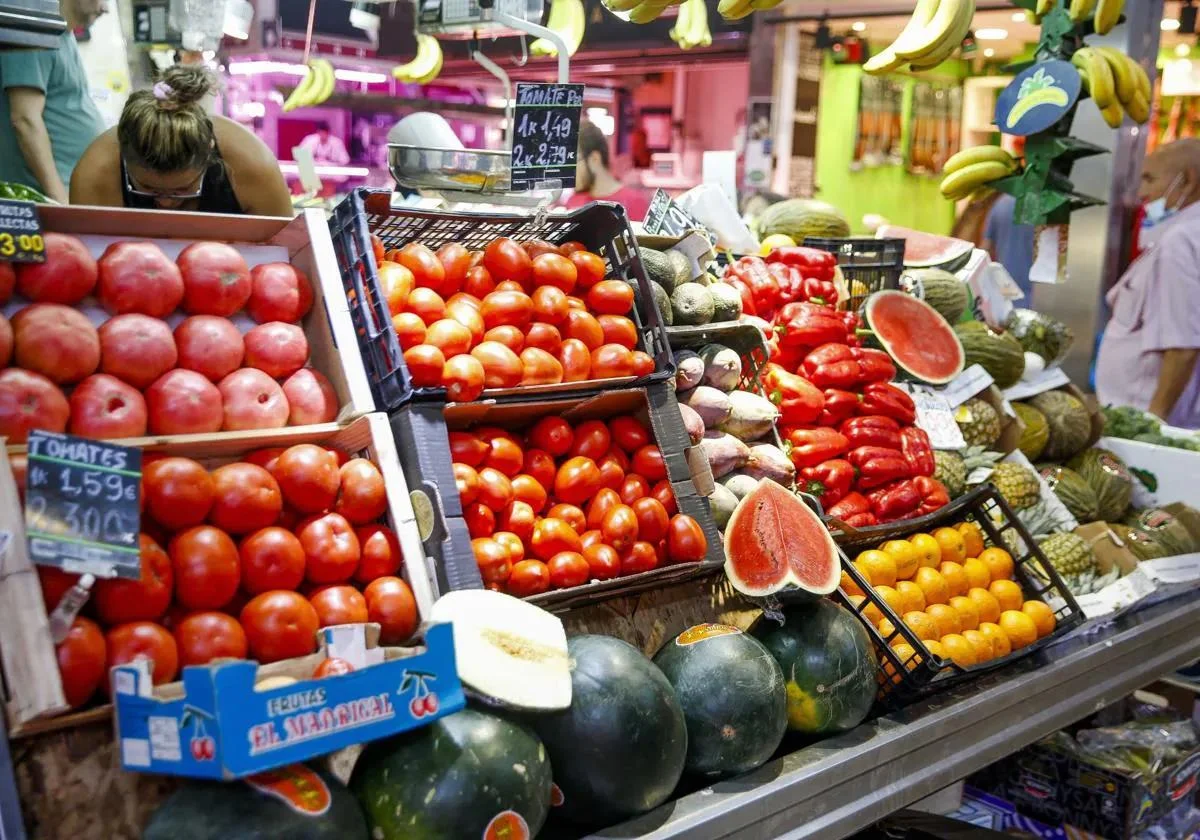
- Food prices have moderated, helping households manage monthly budgets more effectively.
Economists note that this slowdown provides temporary relief but caution that structural factors such as global energy markets, labor costs, and international trade developments could influence future inflation trends.
Relief for Consumers
Slower inflation has immediate benefits for Spanish households:
- Increased purchasing power: With price growth slowing, families can allocate more income to discretionary spending and savings.
- Reduced cost-of-living pressures: Households facing previous challenges due to high energy and food prices can now better manage essential expenses.
- Boosted consumer confidence: Stable prices encourage spending, which can further support economic growth and retail activity.
Retailers, in turn, are experiencing a more predictable operating environment, allowing for improved inventory planning, pricing strategies, and promotions.
Impact on Retail and Small Businesses
Retailers and SMEs are benefiting from the easing inflationary pressures in several ways:
- Stable input costs: Suppliers and manufacturers face fewer unexpected increases in production and logistics expenses.
- Improved sales margins: Slower price growth reduces the need for rapid price adjustments, allowing retailers to maintain profitability.
- Enhanced consumer demand: As households regain confidence, spending on non-essential goods, services, and leisure activities is likely to rise.
Government and Policy Implications
The slowdown in inflation provides policymakers with more room to maneuver, particularly in monetary and fiscal policies:
- The Bank of Spain may adjust interest rate expectations to balance economic growth and inflation control.
- Government programs targeting subsidies, tax relief, or social support can be more strategically deployed without excessive fiscal strain.
- Policymakers continue monitoring inflation drivers to anticipate potential shocks in energy, imports, or global supply chains.
Challenges and Future Outlook
While the current slowdown offers relief, experts caution that several challenges remain:
- Global energy and commodity prices remain volatile and could affect inflation dynamics in the coming months.
- Labor market pressures: Wage negotiations and labor shortages could influence cost structures for businesses.
- External economic risks: Developments in the Eurozone, U.S. monetary policy, and international trade can impact Spain’s inflation trajectory.
Despite these uncertainties, economists remain cautiously optimistic that the stabilization trend may continue, supporting economic recovery and boosting confidence among consumers and businesses.
The slowdown of inflation in Spain represents a welcome relief for both households and retailers, easing cost-of-living pressures and improving economic predictability. By providing stability in prices, Spain’s consumers can spend with greater confidence, while retailers and small businesses can plan operations and investments more effectively.
As policymakers, businesses, and households navigate the post-pandemic economic landscape, the current moderation in inflation offers an important opportunity to strengthen resilience, support growth, and maintain long-term economic stability.