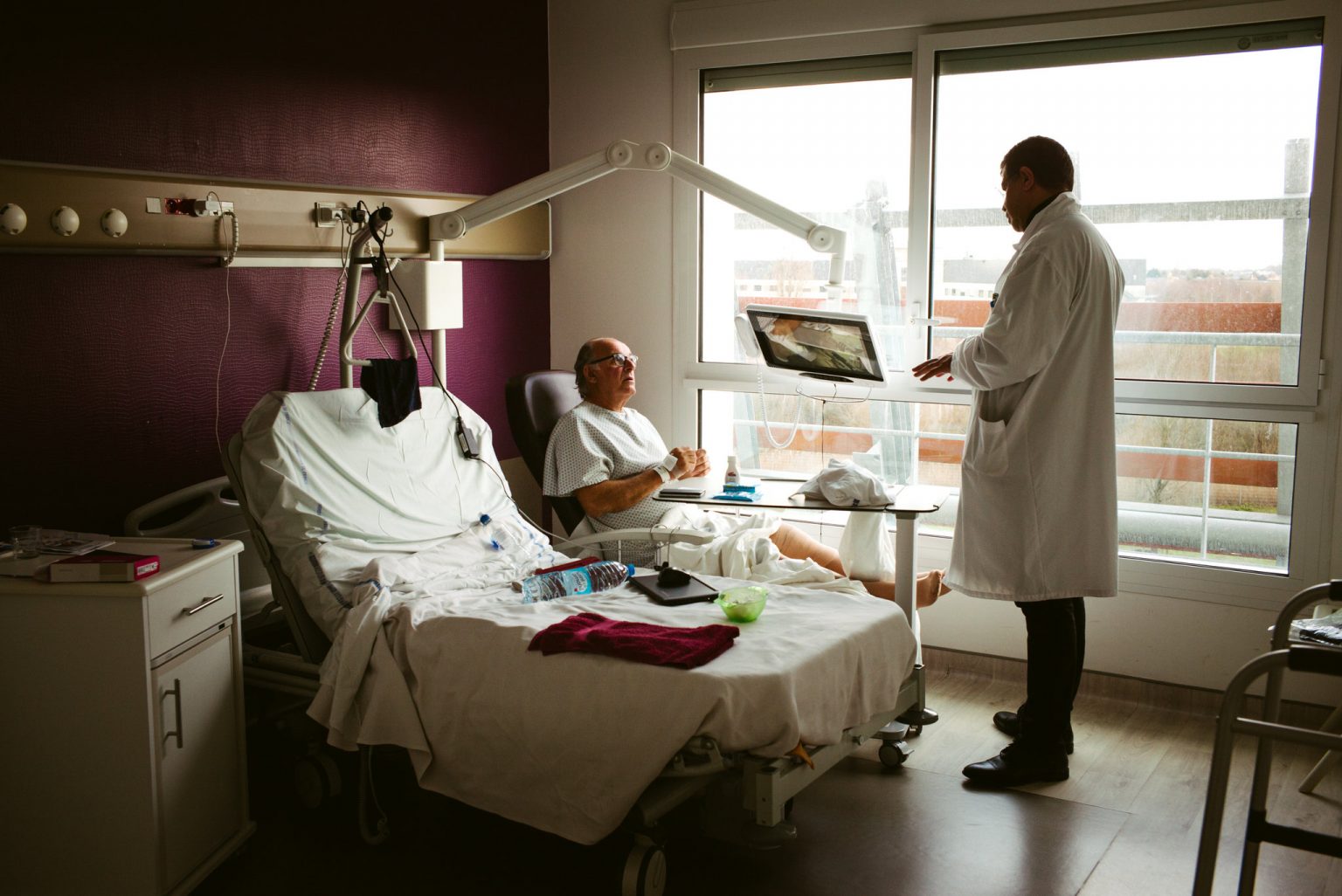
Spain’s healthcare system is under increasing pressure as hospitals across the country report a sharp rise in patient demand. Factors such as post-pandemic care backlogs, an aging population, and seasonal illnesses are combining to stretch resources, staff, and infrastructure in both public and private hospitals.
Rising Patient Demand
Hospitals in major cities such as Madrid, Barcelona, Valencia, and Seville are seeing a noticeable uptick in admissions and outpatient visits. Emergency departments are reporting longer waiting times, while elective procedures and routine care have faced delays in some regions.
- Emergency care is particularly strained, with hospitals handling both acute medical cases and a surge of seasonal illnesses such as flu and respiratory infections.
- Elective surgeries and specialized care have experienced scheduling challenges, causing concern among patients and medical professionals alike.
- Primary care centers are also affected, as increased demand cascades down from hospitals, leading to longer waits for consultations and follow-ups.
Contributing Factors
Several key factors contribute to the growing pressure on Spain’s healthcare system:
- Post-pandemic backlogs: Elective procedures postponed during the COVID-19 pandemic are now being rescheduled, increasing hospital workloads.
- Aging population: Spain has one of the highest proportions of elderly citizens in Europe, leading to higher demand for chronic disease management, geriatric care, and emergency services.
- Seasonal illnesses: The flu season and other respiratory infections contribute to higher hospital admissions during autumn and winter months.
- Staffing shortages: Hospitals continue to face challenges in recruiting and retaining healthcare professionals, especially nurses and specialized doctors, which amplifies strain on existing staff.
Government and Hospital Responses
Spanish health authorities and hospital administrators are taking measures to manage the increased demand:
- Temporary staffing increases: Hospitals are hiring additional staff and bringing in temporary healthcare workers to alleviate pressure on permanent personnel.
- Telemedicine expansion: Digital consultations and remote patient monitoring are being used to reduce hospital visits and manage patient flow efficiently.
- Resource allocation: Emergency departments and intensive care units are prioritizing urgent cases, while elective procedures are being triaged to optimize available capacity.
- Public advisories: Citizens are encouraged to seek preventive care, use telehealth services, and follow vaccination and hygiene recommendations to reduce unnecessary hospital visits.
Regional Variations
While major metropolitan areas report the highest levels of strain, smaller cities and rural hospitals face different challenges:
- Urban hospitals are experiencing overcrowding and bed shortages.
- Rural and regional hospitals face staffing limitations and logistical constraints, making it harder to cope with sudden surges in patient numbers.
- Inter-hospital coordination has become essential, with patients sometimes transferred between regions to balance demand.
Challenges Ahead
Healthcare experts warn that without sustained investment and strategic planning, pressure on Spain’s hospitals could intensify:
- Infrastructure needs: Hospitals require additional beds, equipment, and facilities to handle increasing patient volumes.
- Workforce planning: Recruiting, training, and retaining qualified healthcare professionals remains critical to maintaining quality care.
- Chronic disease management: Rising prevalence of chronic conditions, including diabetes and cardiovascular disease, increases long-term pressure on the system.
Looking Forward
Spain’s healthcare system has demonstrated resilience through previous crises, but the current surge highlights the need for proactive measures:
- Increased funding for public hospitals and healthcare infrastructure.
- Expanded telemedicine services to improve accessibility and efficiency.
- Enhanced preventive care programs, including vaccination drives and health education initiatives.
By addressing both immediate pressures and long-term structural challenges, Spain can strengthen its healthcare system to meet growing demand while ensuring high-quality care for all citizens.